Sustainability
  Help & Support
  +65 6872 1161



Solar Water Heaters: What Are They
May 4, 2020
 Facebook
  X
X  LinkedIn
 In today’s world, we have greater demands for energy. The larger the family, the more energy we can expect to use, and the same goes for businesses as well. The increasing costs of energy over the years has possibly also been reflected on your bills. Whether you’d like to save money on your energy bills or do your part for the environment, now’s a good time to start considering solar energy.
Here in Southeast Asia, we’re exposed to sunlight all year round, so why waste the sunlight and not put the heat energy from the sun to good use? Electric bills can get somewhat costly and one popular method to slash that monthly expense for home or business alike is by installing solar water heaters.
What is a solar water heater?
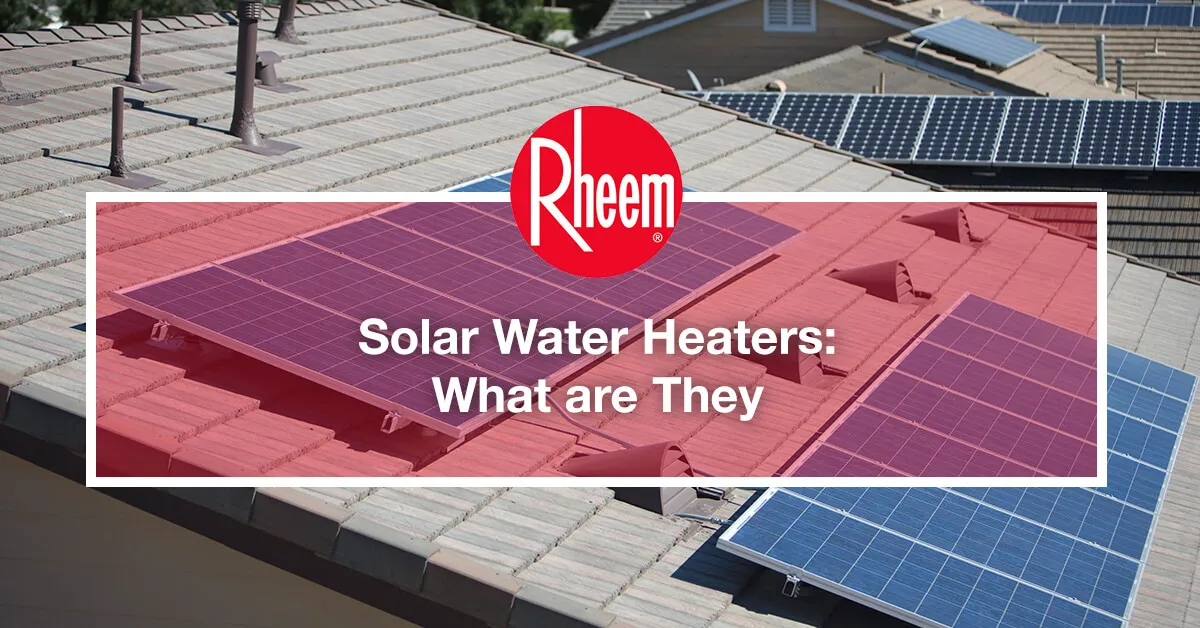
Simply put, a solar water heater uses heat energy from the sun to heat water. The device mainly consists of:
- A thermal panel installed on the roof to collect energy from the sun.
- A hot water storage tank.
- Circulating pump and a thermal regulator to transfer the solar energy from the collector to the tank.
Solar energy systems aren’t a new concept anymore. They’re getting more accessible, economical and efficient, which means homes and businesses can easily opt for installation of solar water heaters to dramatically limit their greenhouse emissions and take a huge bite out of the monthly energy bills.
Types of solar water heaters
Solar water heaters come in an ample mix of designs. Most solar water heaters can be classified into the following categories:
- Direct active systems carry the water through the collectors to gather heat, then sends it to your faucets and showerheads.
- Indirect active systems use a non-freezing, heat-transfer fluid to transfer heat from the collectors to your water supply.
- Integral passive solar heaters heat small batches of water using metal plates. The water is then pumped into an insulated storage tank for later use.
- Passive thermosyphon systems directly heat stored water using heat from the sun. When warm water rises to the top, it moves and fills to a storage tank attached to your plumbing.
Of course, the sun doesn’t shine 24/7. So what happens when the temperature gets cool? Does it mean that hot water won’t be available? What about the water that was heated and stored? Will it turn cool?
Rest assured that solar water heating system is able to produce enough hot water to satisfy most of your household or business’ daily needs. However, solar water heaters typically include a backup gas or electric water heater that kicks in during periods of little sun.
This means that when water is heated in the day, it goes into an insulated storage tank for use later. If there is not enough solar energy produced in the day to heat water, water can be easily heated using conventional methods like electricity or gas.
Which one should I get?
If you’re staying in an area where the temperature is hot most of the time, we say to opt for direct systems. In South-East Asia, we rarely get cold temperatures, and direct systems work best in climates where temperatures rarely fall below freezing.
Looking for a cost-effective water heating solution while still doing your part for the environment? Check out our range of solar water heating products here.